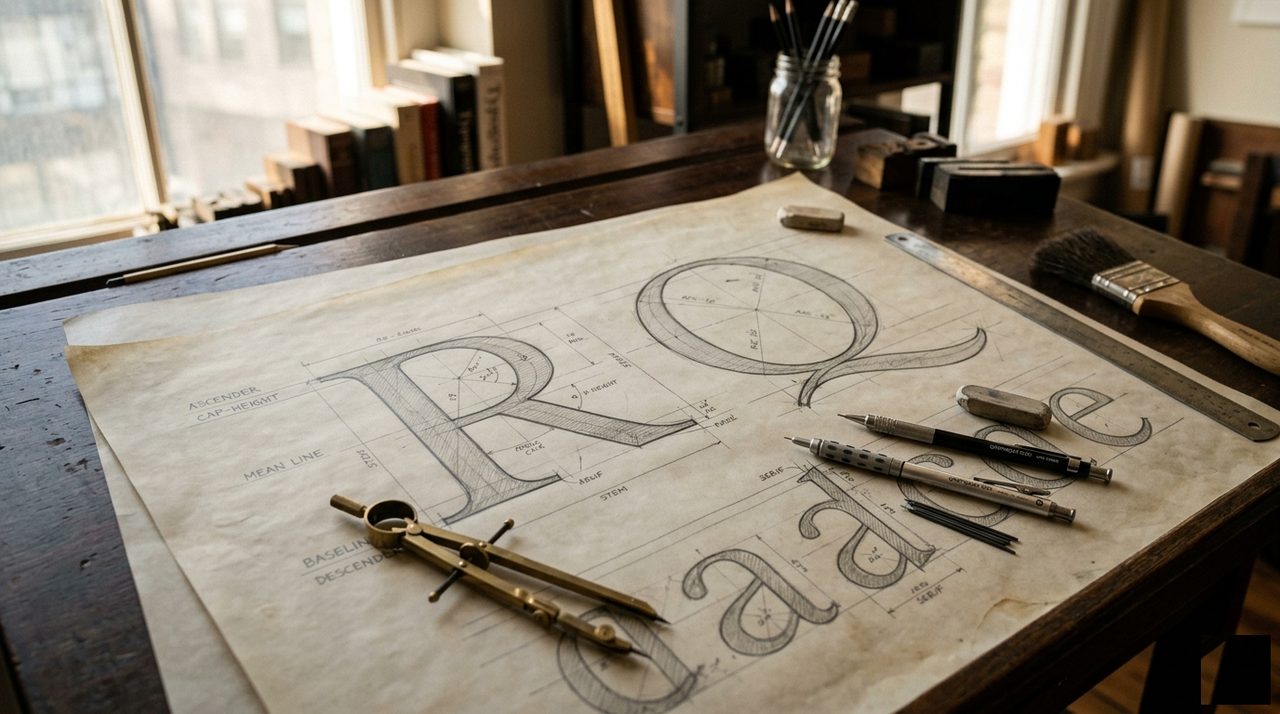
From Phototypesetting to Digital Type: Linofilm, PostScript, and OpenType Architecture
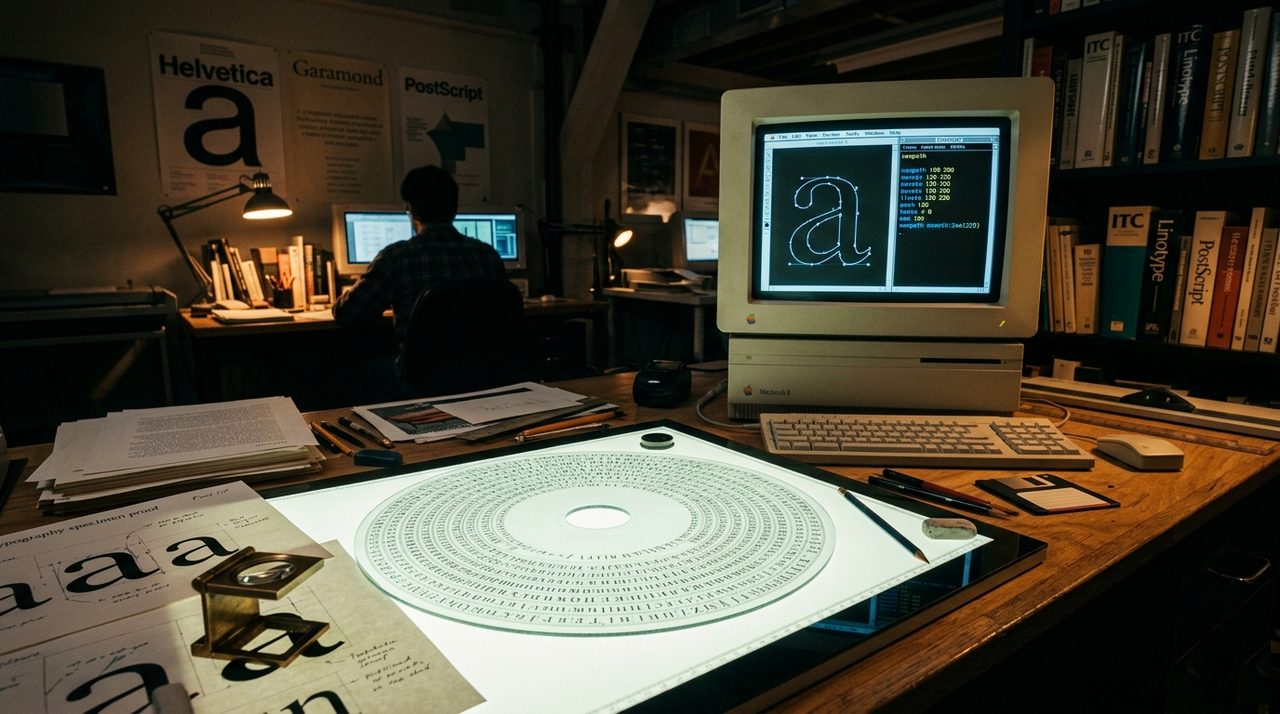
Between 1950 and 1990, the graphic arts underwent the most violent, rapid technological convulsion since Johannes Gutenberg: the complete collapse of five hundred years of hot metal typefounding and its replacement by phototypesetting, followed by the revolutionary rise of digital vector outline typography. In a single generation, heavy cast-iron Linotype machines, tons of toxic lead … Read more
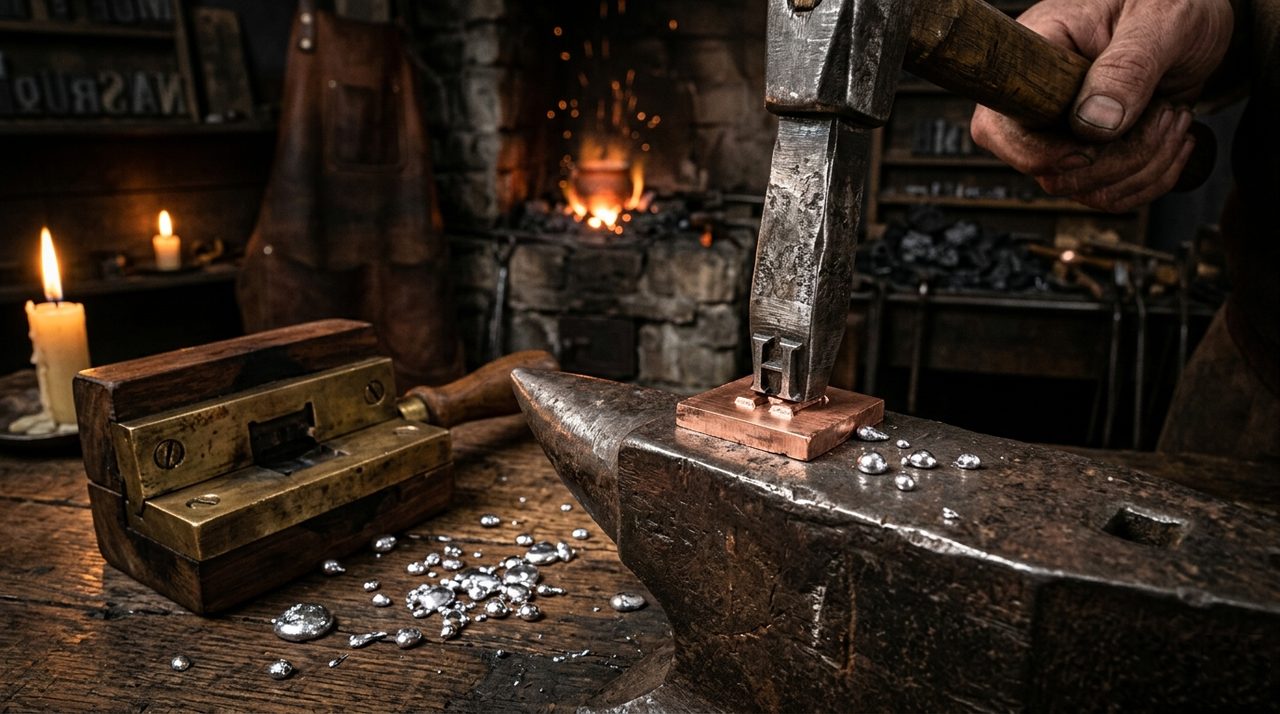
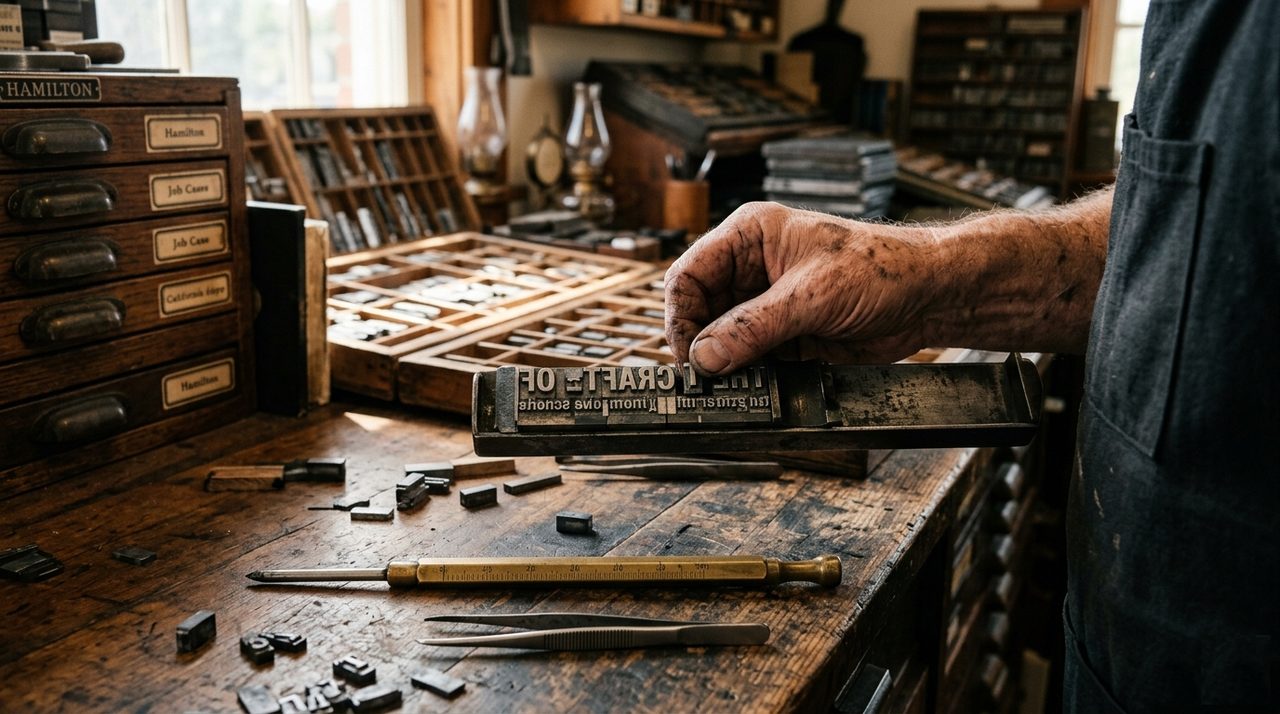
Punchcutting, Matrices, and Hand Type Casting: The Mechanics of Lead Type

For more than four centuries—from Gutenberg’s first experiments in Mainz in the 1440s until the widespread adoption of the mechanical Benton pantograph in the 1890s—every movable lead letter printed anywhere on earth began its physical life through the heroic, microscopically exacting craft of punchcutting and hand type casting. Operating at the boundary of fine metallurgy, … Read more

The Art of Typographic Composition: Measure, Leading, Kerning, and Justification

In book typography, selecting a beautiful typeface is merely the prelude to the true art of the typographer: macro- and micro-typographic composition. While display typography for advertising screams for immediate attention, book typography is an exercise in invisible craftsmanship. As the renowned typographer Beatrice Warde famously articulated in her 1932 essay The Crystal Goblet, typography … Read more

Anatomy of the Letterform: Metric Proportions, Classifications, and Readability

Typography is the physical and digital architecture of human speech. While a reader gliding across a page of prose experiences reading as an effortless, transparent cognitive act, every printed letterform is the product of hundreds of years of mathematical proportion, optical illusion correction, and evolutionary design refinement. The craft of typography begins with an intimate … Read more