Editing, Copyediting, and Proofreading What Happens at Each Publishing Stage?
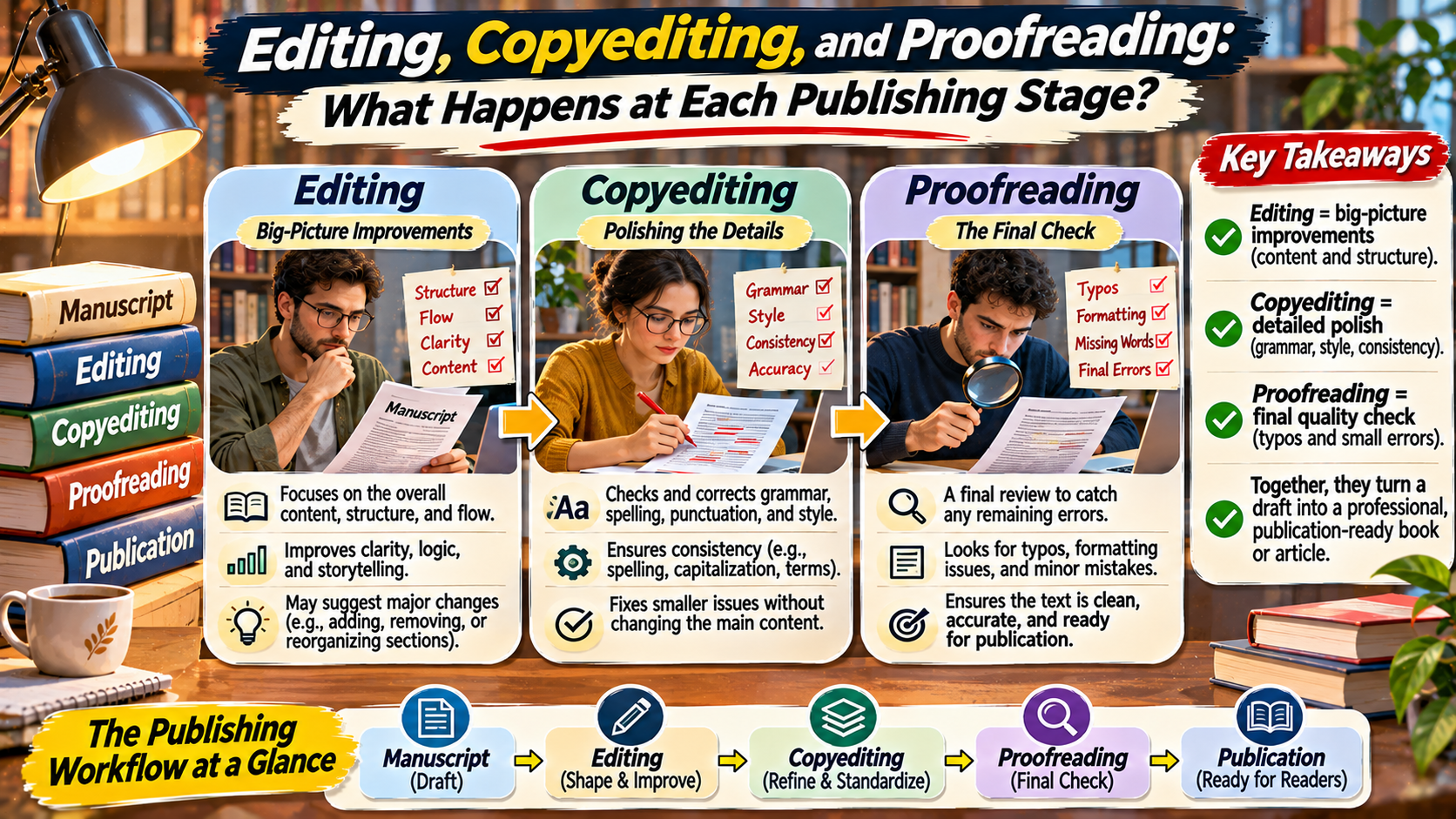
THE EDITORIAL DESK · PUBLISHING & WRITING From First Draft to Final Publication Understand how different editorial stages improve a manuscript’s structure, language, accuracy, and presentation before readers see the finished work. EDITING COPYEDITING PROOFREADING Publishing a book, article, report, or magazine feature involves much more than writing a first draft. Even experienced writers need … Read more
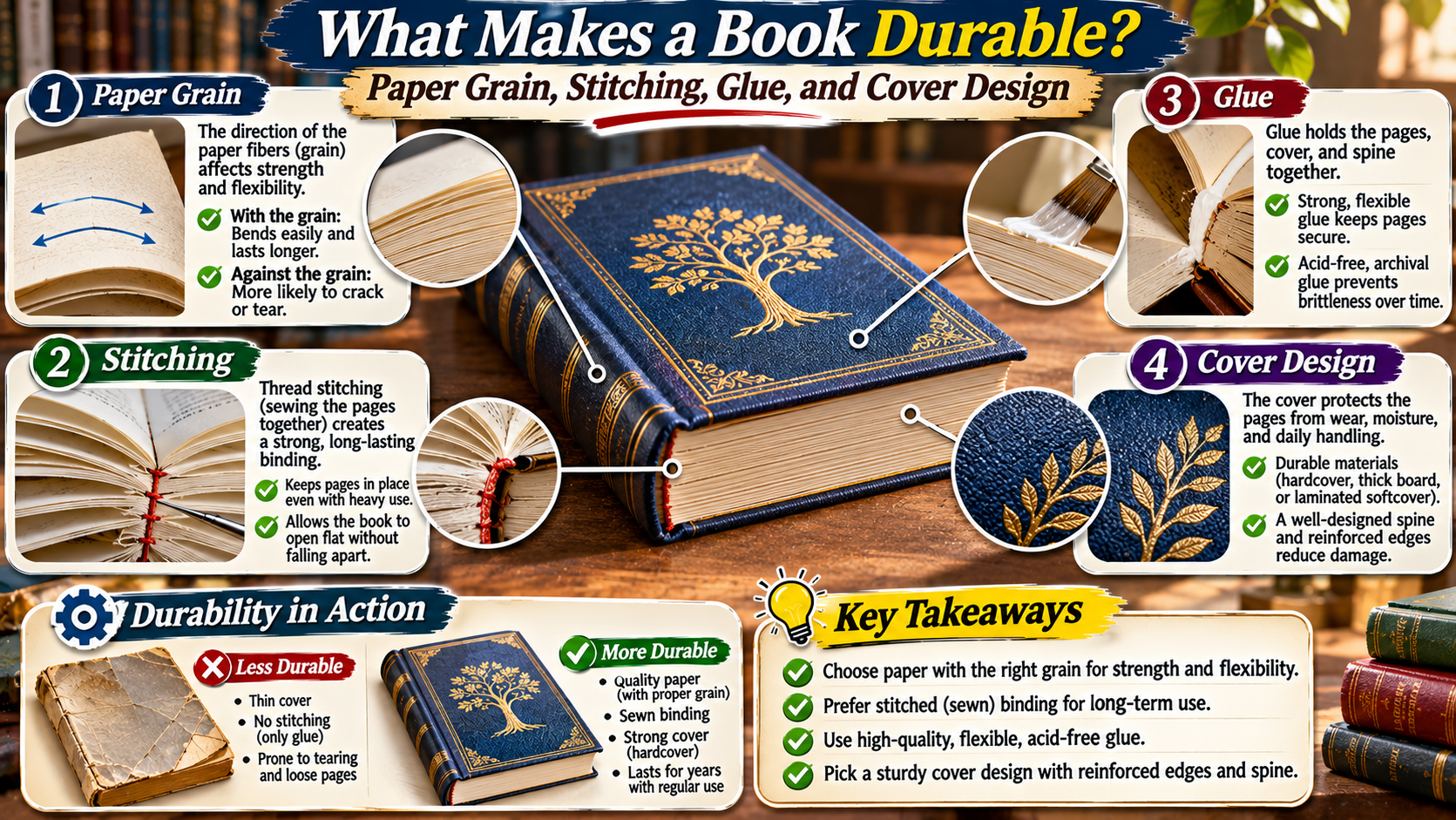
What Makes a Book Durable? Paper Grain, Stitching, Glue, and Cover Design

PRINT CRAFT JOURNAL / BOOKBINDING & MATERIAL SCIENCE The Hidden Engineering of a Long-Lasting Book Discover how paper grain, stitching, adhesives, spine construction, and protective covers determine whether a book survives years of reading. PAPER GRAIN SEWN BINDING ADHESIVES COVER DESIGN Some books remain in excellent condition after decades of use, while others begin losing … Read more

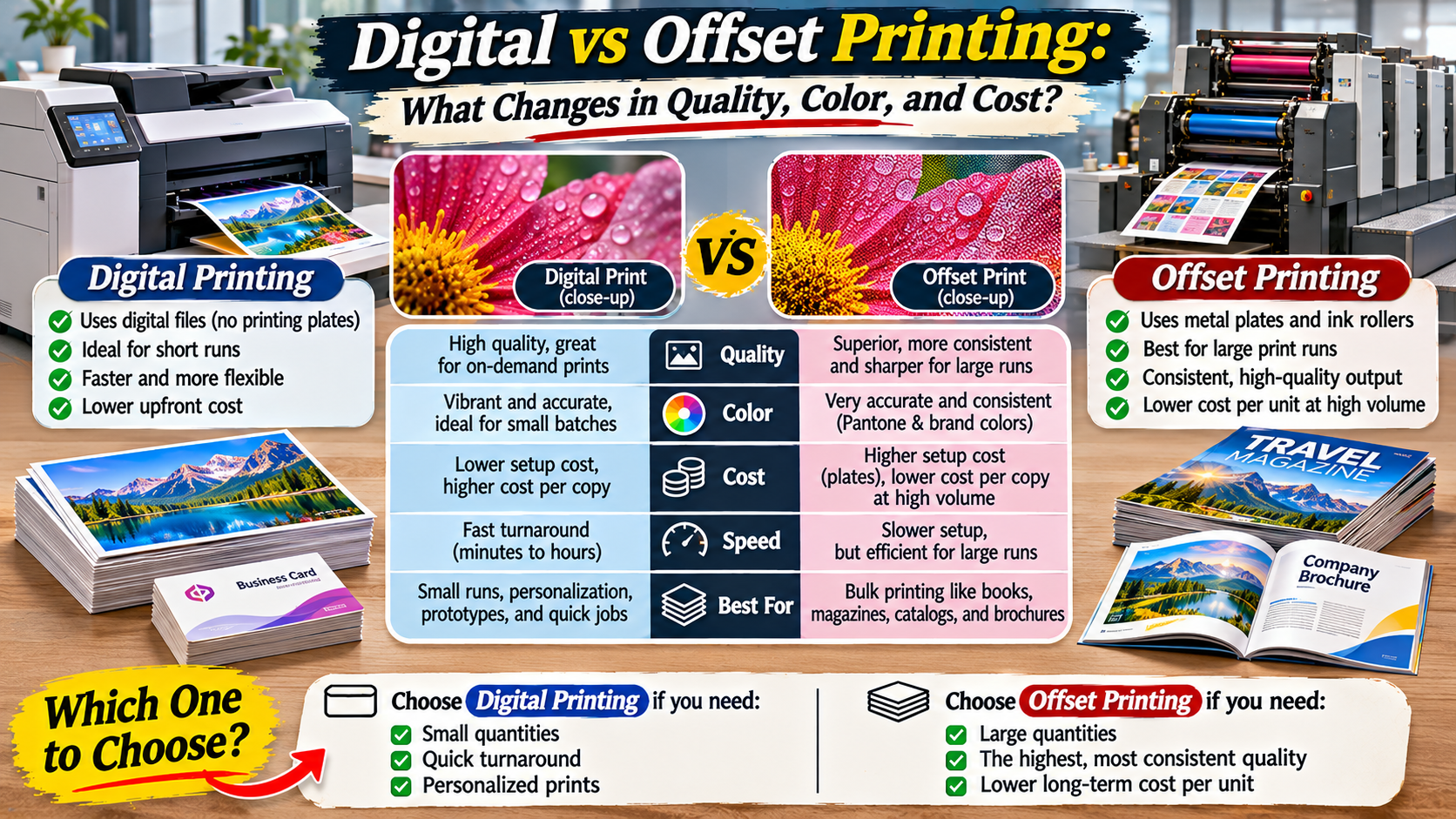
Digital vs Offset Printing What Changes in Quality, Color, and Cost?

PRINT PRODUCTION STUDIO · TECHNOLOGY & DESIGN Two Printing Methods. Different Strengths. One Important Decision. Understand how digital and offset printing compare in image quality, color consistency, production costs, materials, and turnaround time. PRINT QUALITY COLOR ACCURACY COST PER COPY Imagine preparing a new product catalog, a set of business cards, or thousands of promotional … Read more

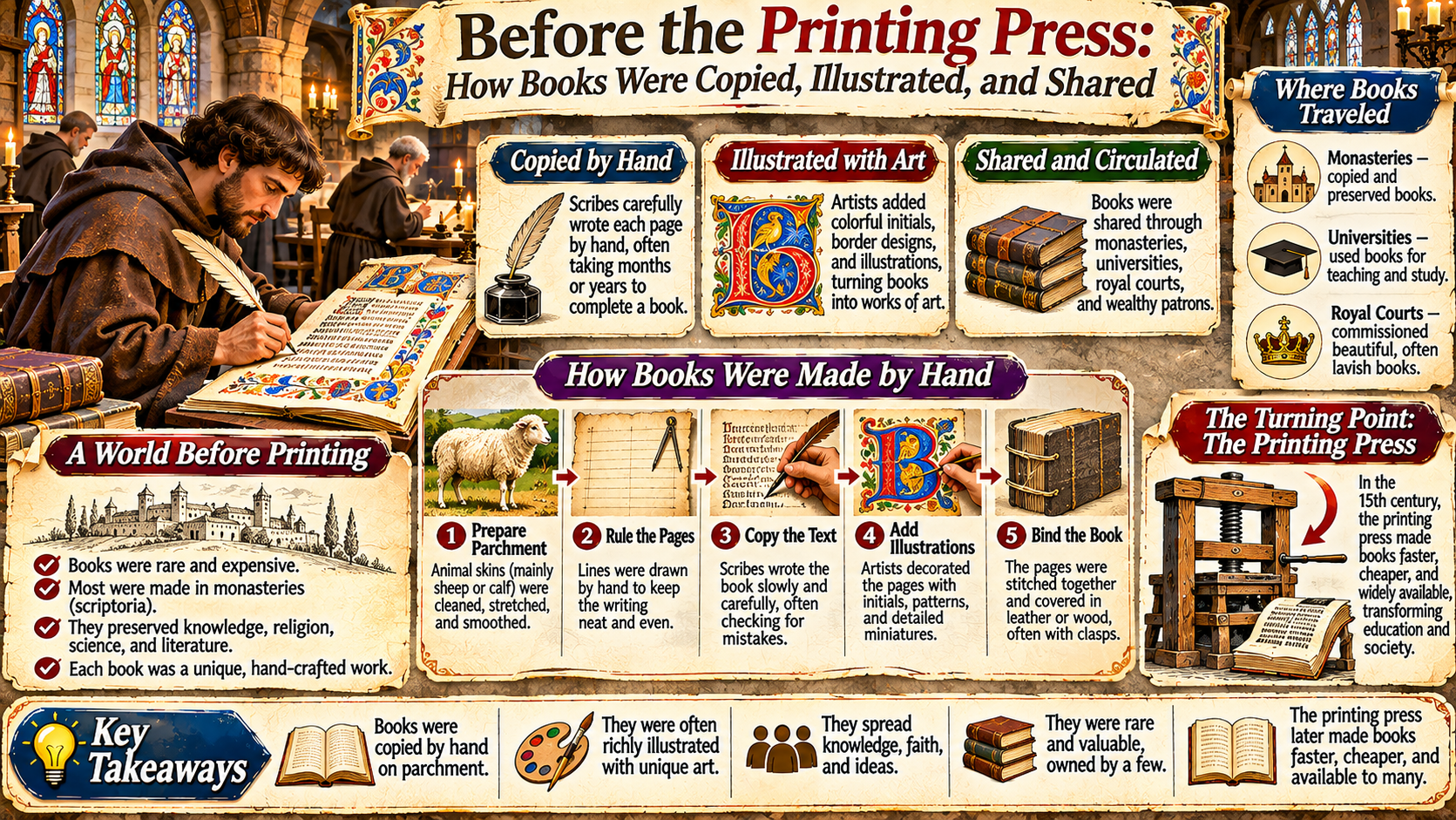
Before the Printing Press How Books Were Copied, Illustrated, and Shared

THE MANUSCRIPT COLLECTION / HISTORY OF BOOKS & WRITING When Every Book Was Made by Hand Discover how scribes copied texts, artists decorated manuscripts, and communities preserved and exchanged knowledge long before mechanical printing transformed book production. SCRIBES   ✦   ILLUMINATION   ✦   LIBRARIES   ✦   KNOWLEDGE Today, books can be printed … Read more

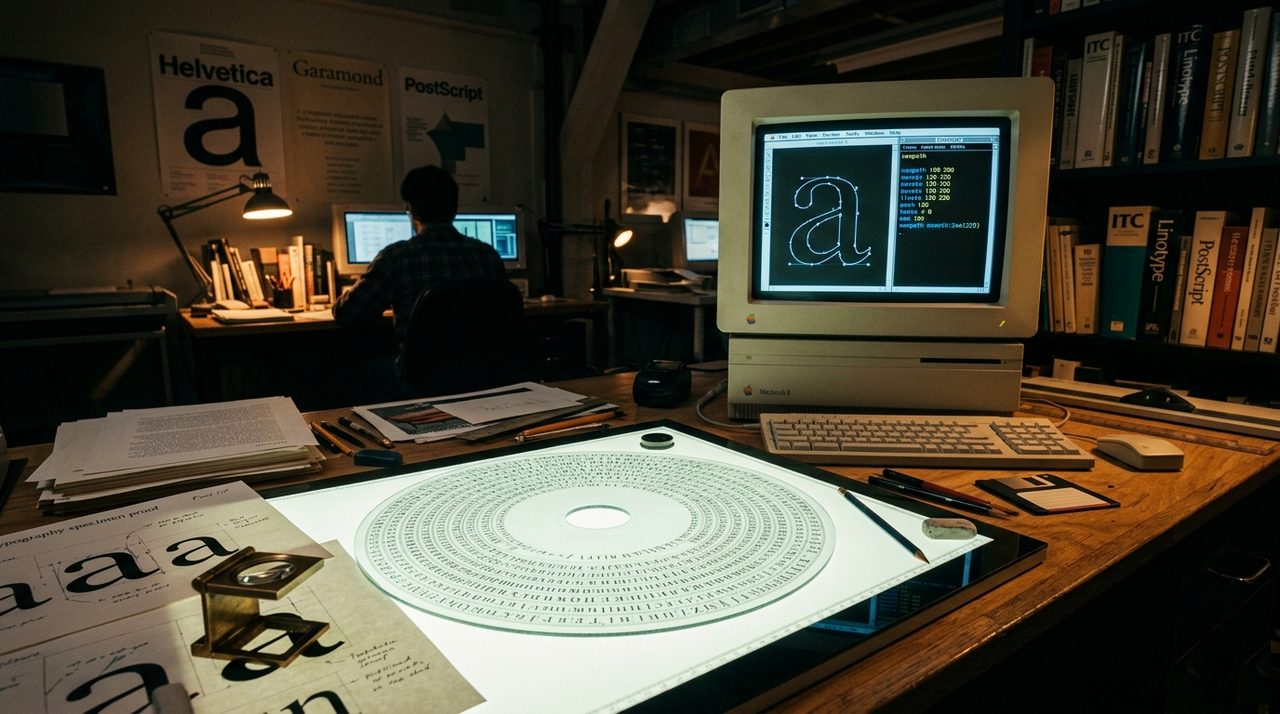
From Phototypesetting to Digital Type: Linofilm, PostScript, and OpenType Architecture

Between 1950 and 1990, the graphic arts underwent the most violent, rapid technological convulsion since Johannes Gutenberg: the complete collapse of five hundred years of hot metal typefounding and its replacement by phototypesetting, followed by the revolutionary rise of digital vector outline typography. In a single generation, heavy cast-iron Linotype machines, tons of toxic lead … Read more

Punchcutting, Matrices, and Hand Type Casting: The Mechanics of Lead Type

For more than four centuries—from Gutenberg’s first experiments in Mainz in the 1440s until the widespread adoption of the mechanical Benton pantograph in the 1890s—every movable lead letter printed anywhere on earth began its physical life through the heroic, microscopically exacting craft of punchcutting and hand type casting. Operating at the boundary of fine metallurgy, … Read more

The Art of Typographic Composition: Measure, Leading, Kerning, and Justification

In book typography, selecting a beautiful typeface is merely the prelude to the true art of the typographer: macro- and micro-typographic composition. While display typography for advertising screams for immediate attention, book typography is an exercise in invisible craftsmanship. As the renowned typographer Beatrice Warde famously articulated in her 1932 essay The Crystal Goblet, typography … Read more

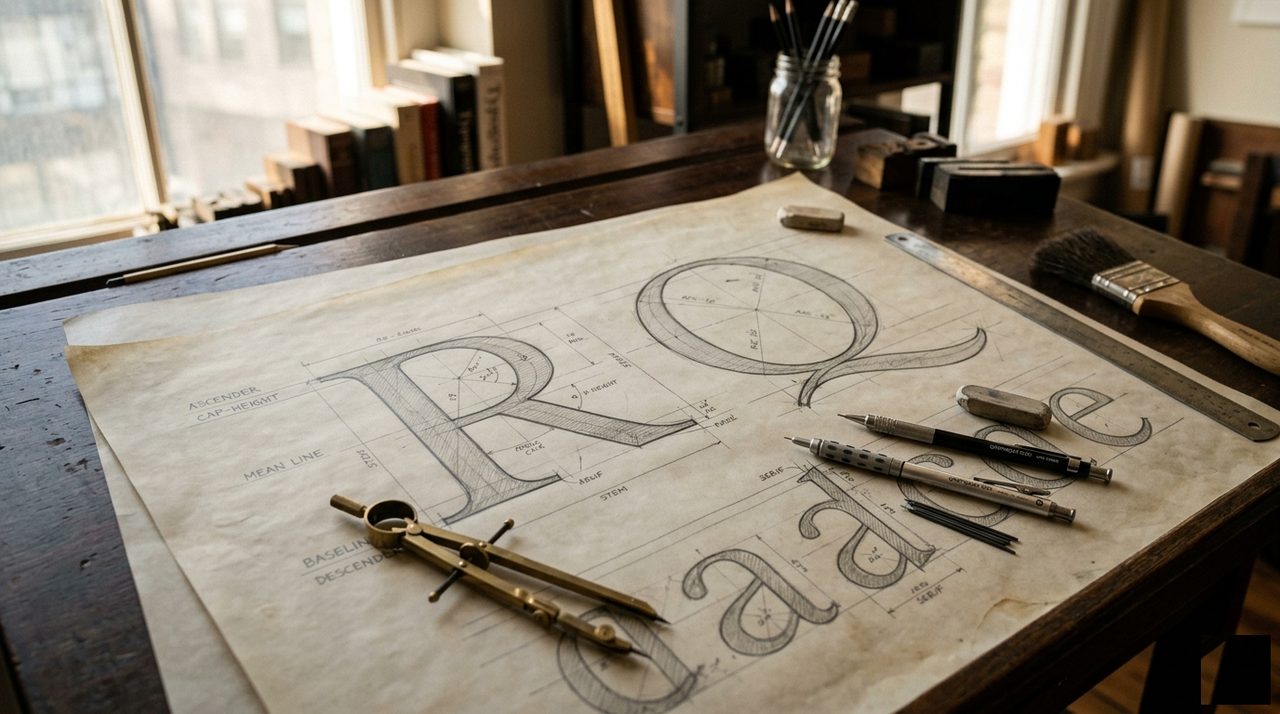
Anatomy of the Letterform: Metric Proportions, Classifications, and Readability

Typography is the physical and digital architecture of human speech. While a reader gliding across a page of prose experiences reading as an effortless, transparent cognitive act, every printed letterform is the product of hundreds of years of mathematical proportion, optical illusion correction, and evolutionary design refinement. The craft of typography begins with an intimate … Read more

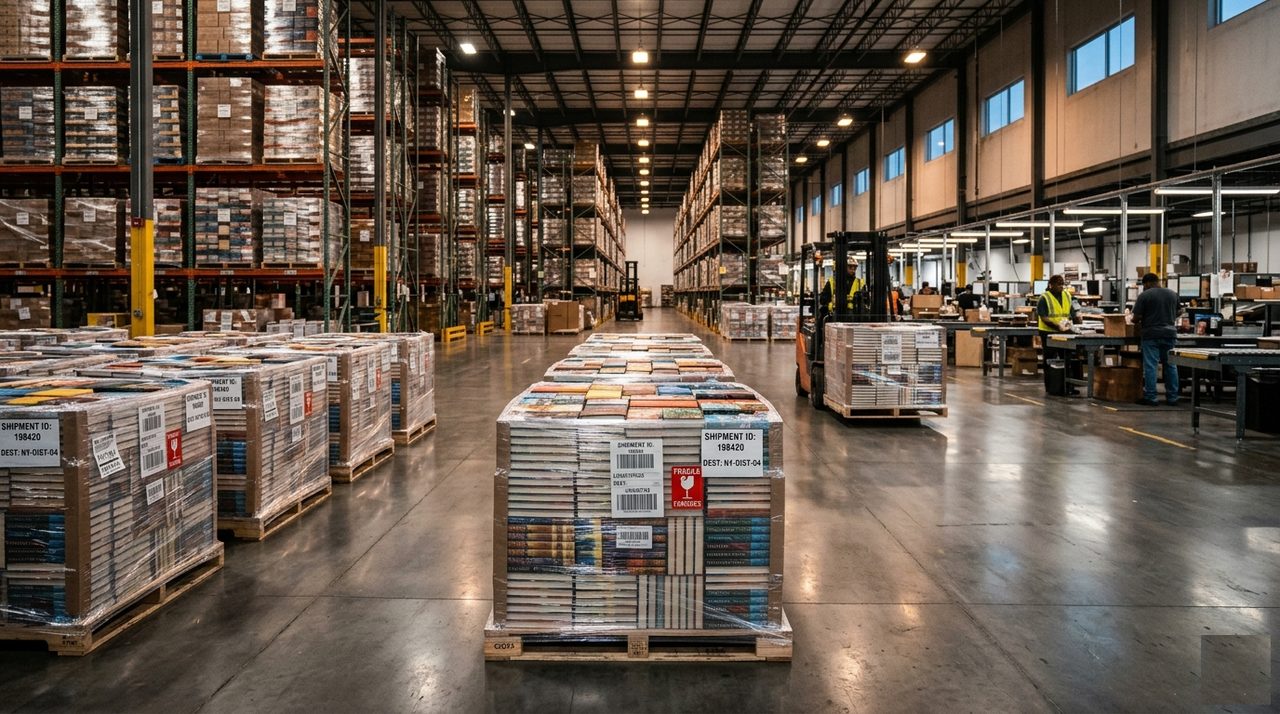
Publishing Business and Distribution: ISBNs, Metadata, Copyright, and Print Logistics

Once a book is printed and bound, it enters the global commercial ecosystem: the publishing business and distribution supply chain. A book may embody peerless editorial brilliance and award-winning typographic design, but if it lacks standardized trade identification, computerized retail metadata, copyright protections, and access to warehousing distribution channels, it remains practically invisible to booksellers, … Read more

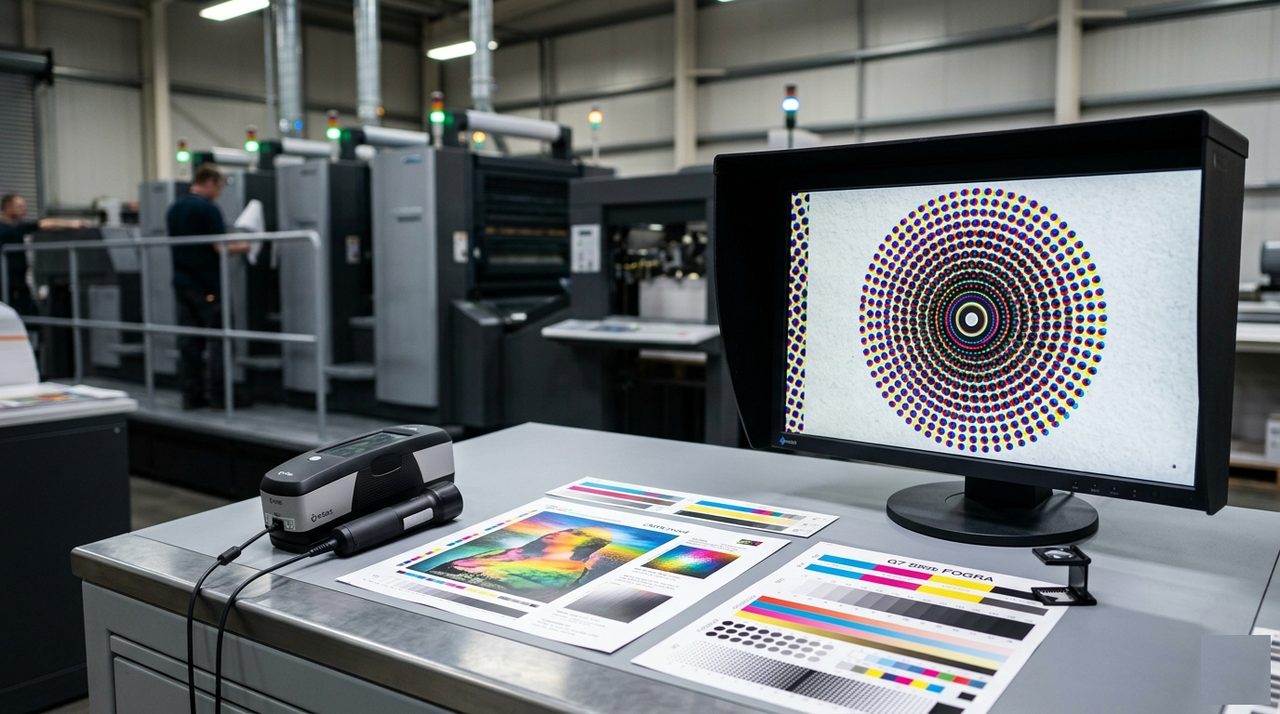
Pre-Press Engineering: Color Separation, RIP Rasterization, and PDF/X Compliance

In contemporary book manufacturing, the critical nexus where digital graphic design files are converted into physical printing press tooling is known as pre-press engineering. An author’s words and a designer’s typographic layouts may look breathtaking on a high-resolution, backlit sRGB computer monitor, but a printing press does not understand RGB pixels. A commercial offset press … Read more