The Hot Metal Composition Century: Linotype, Monotype, and Mechanical Typesetting
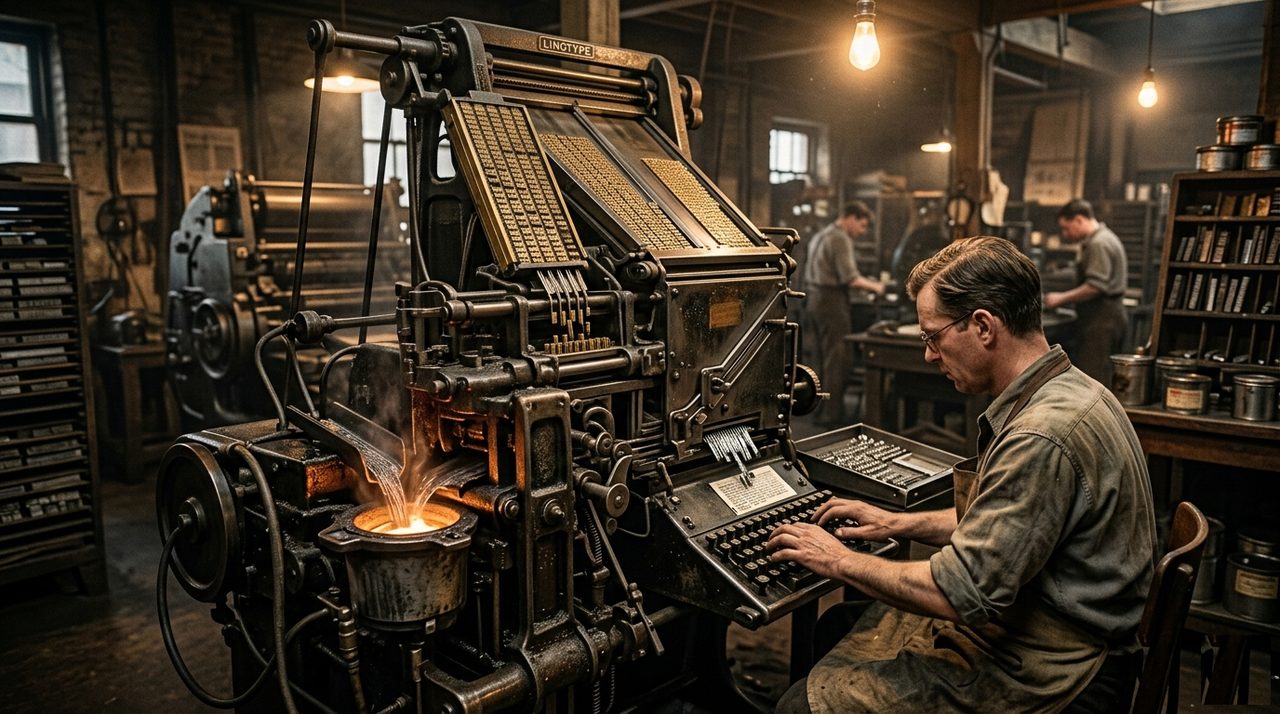
By the late nineteenth century, rotary steam presses could print tens of thousands of newspaper pages every hour. Yet, a severe operational bottleneck paralyzed the printing industry: typesetting was still performed entirely by hand, exactly as it had been in Gutenberg’s workshop four centuries earlier. Compositors stood before wooden type cases, manually plucking individual lead … Read more
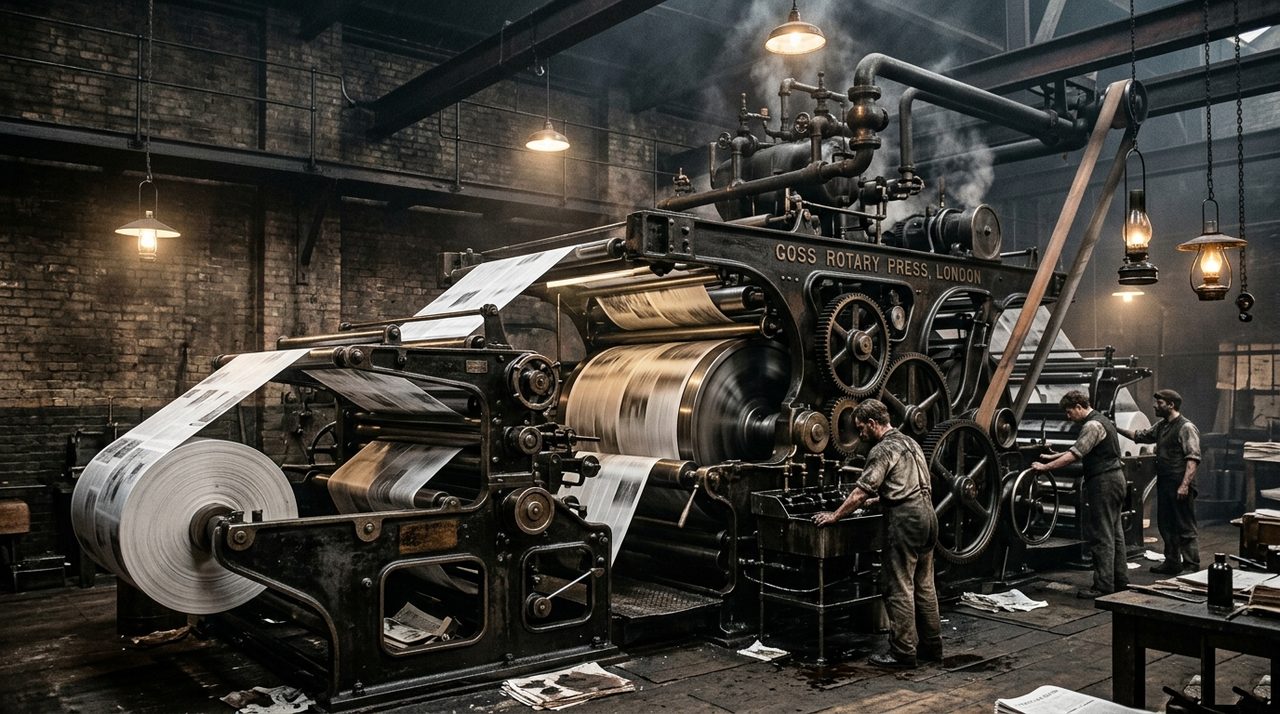
The Steam and Rotary Industrial Press Revolution: Koenig, Hoe, and High-Speed Print

By the dawn of the nineteenth century, the industrial revolution was radically reshaping global manufacturing, transportation, and urban society. Yet, the dissemination of news remained tethered to the physical stamina of pressmen manually pulling hand levers one sheet at a time. The burgeoning demand for daily news, driven by parliamentary debates, the Napoleonic Wars, and … Read more

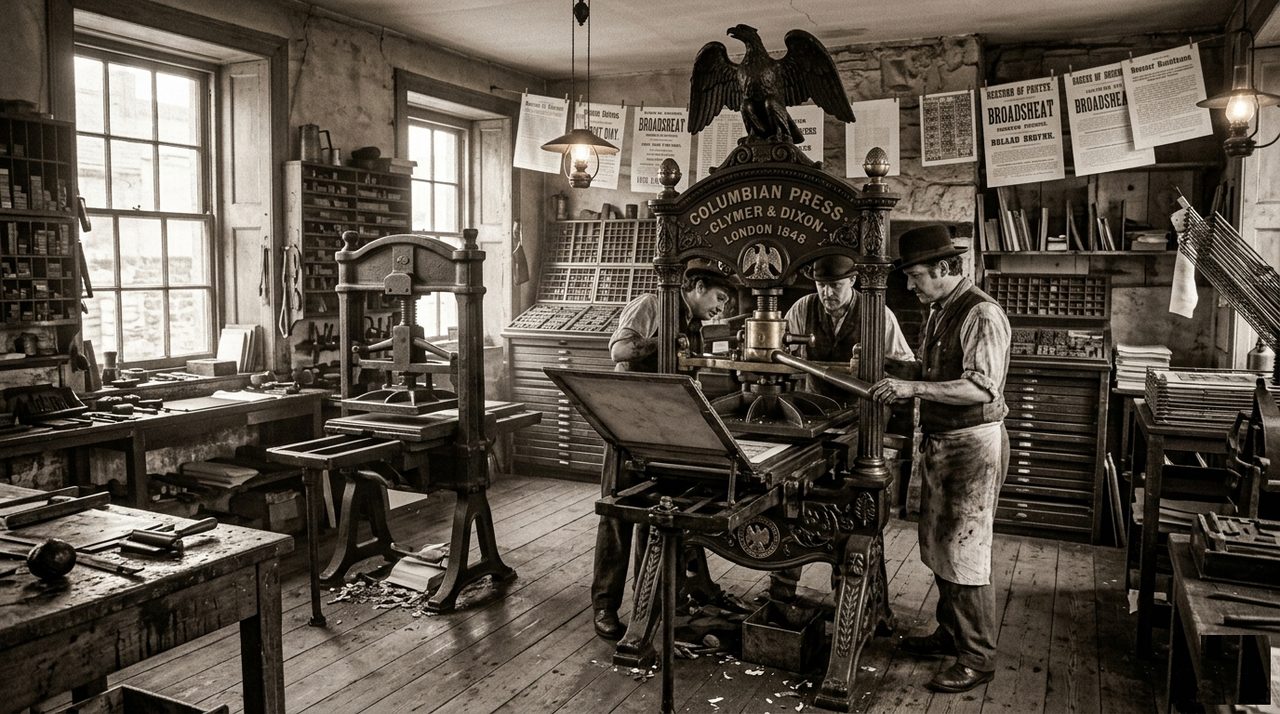
From Wooden Screw to Iron Hand Presses: The Evolution of Stanhope, Columbian, and Albion

For more than three centuries following Johannes Gutenberg’s 15th-century breakthrough, the fundamental physical construction of the printing press remained remarkably static. Known collectively as the common wooden press, these machines were constructed primarily of dense, seasoned hardwoods—predominantly European oak, beech, and walnut—mortised and tenoned together into a massive vertical timber frame. Pressure was applied through … Read more

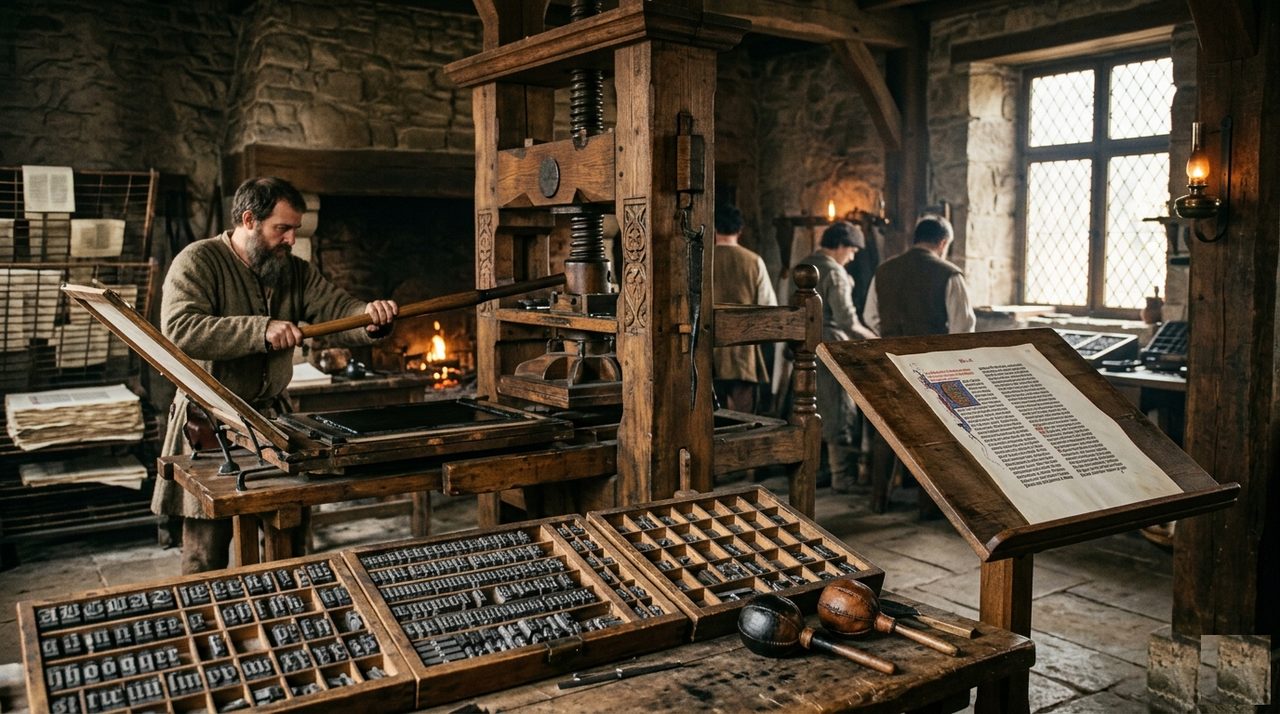
The Invention of Movable Type: Gutenberg, Mainz, and the Incunabula Revolution

In the mid-fifteenth century in the Rhine River city of Mainz, Germany, a trained goldsmith and gem-cutter named Johannes Gensfleisch zur Laden zum Gutenberg synthesized metallurgy, viticultural pressing mechanisms, and chemical ink formulation to invent European movable metal type printing. While East Asian artisans had previously experimented with ceramic movable type (developed by Bi Sheng … Read more