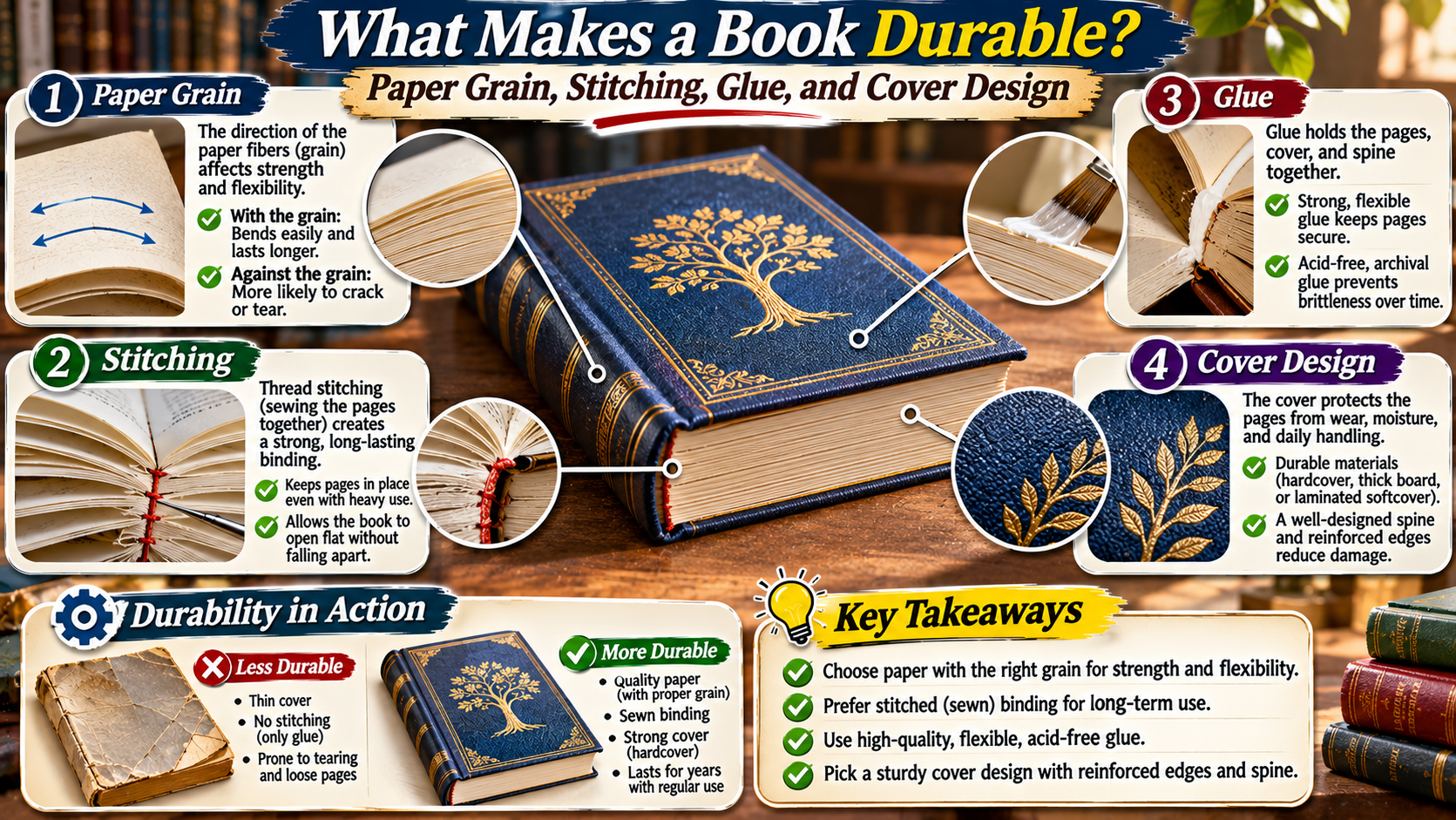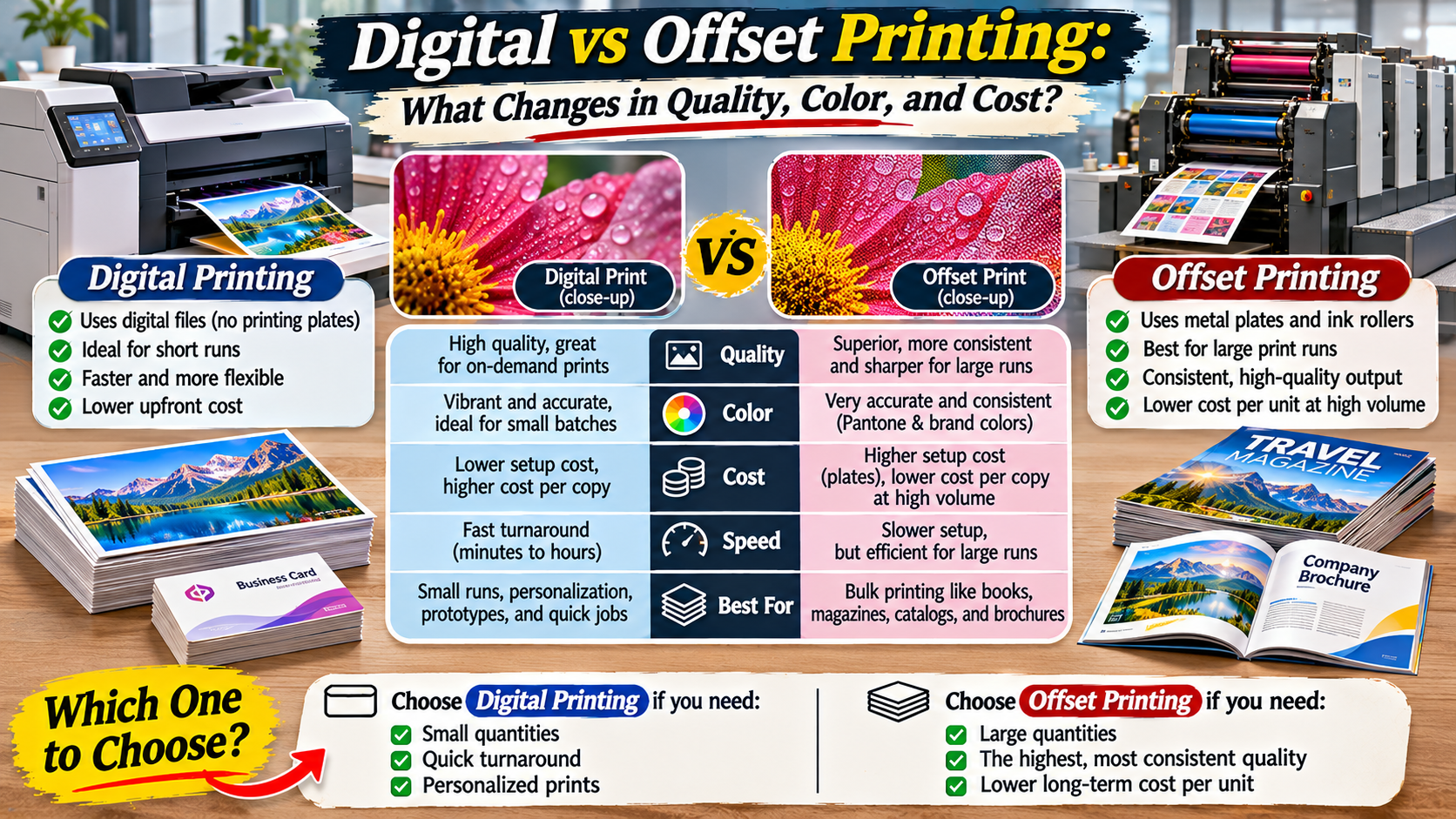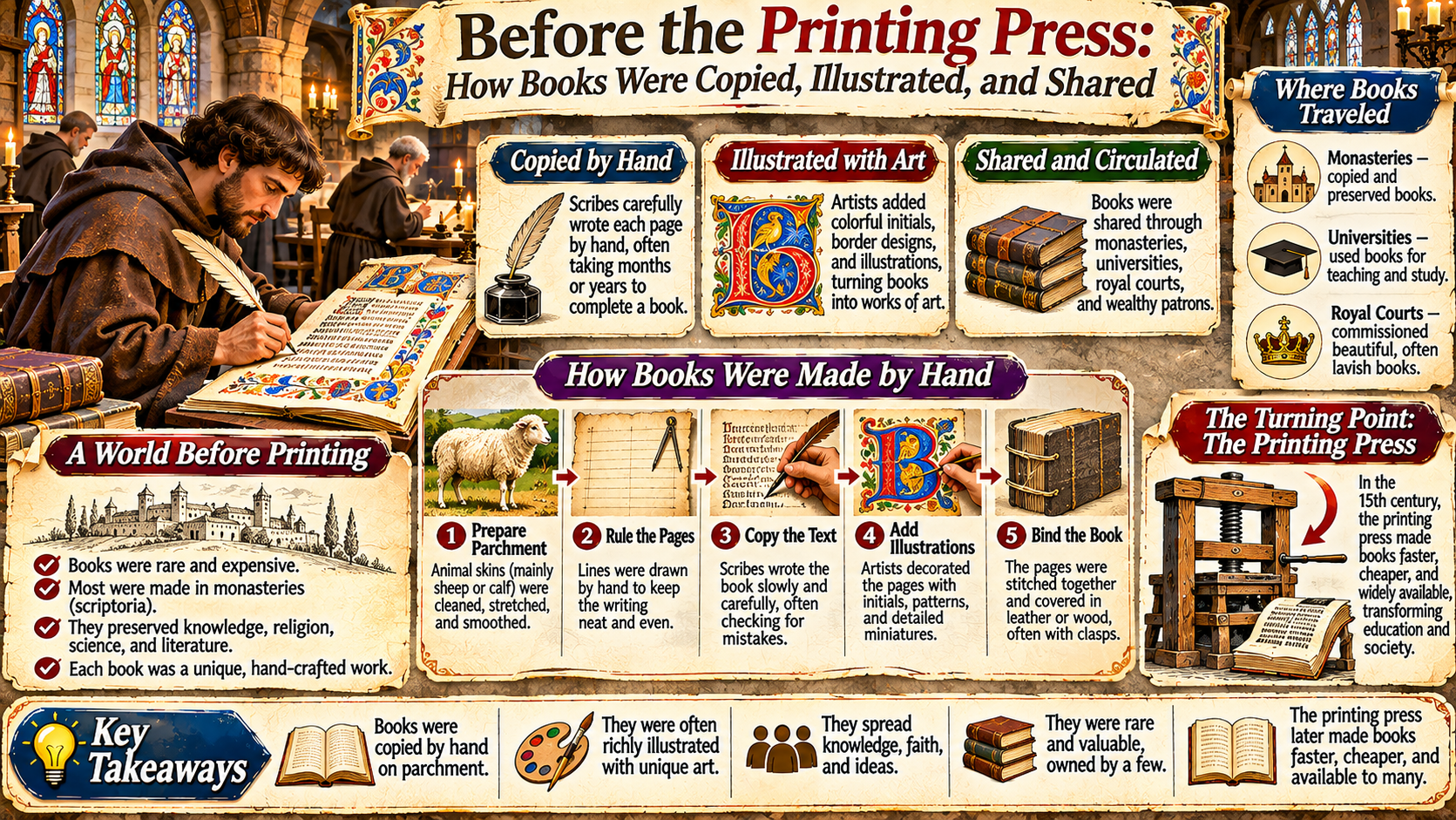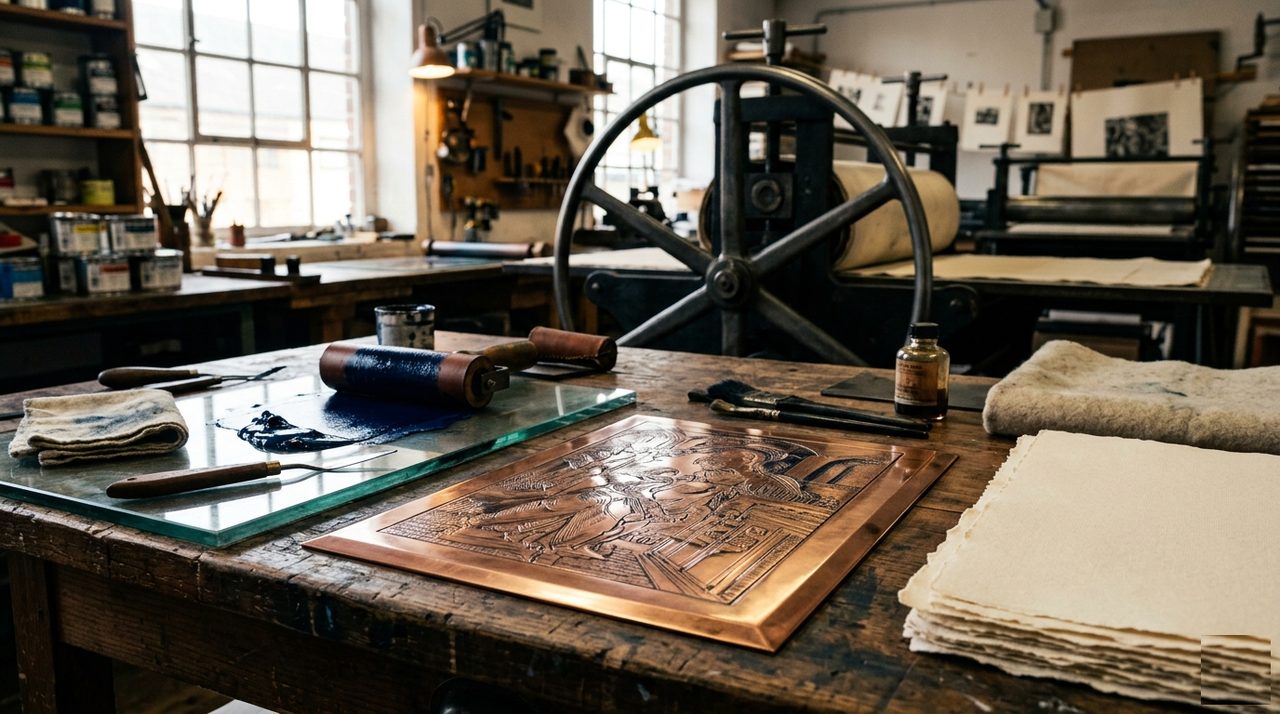
Operating in direct mechanical opposition to relief printing is the noble and rigorous discipline of intaglio printmaking (derived from the Italian verb intagliare, meaning ‘to engrave’ or ‘to carve into’). In intaglio processes, the image is not raised, but rather incised, furrowed, or chemically etched below the polished surface of a metal plate—traditionally copper, zinc, steel, or brass.
The operational cycle of intaglio printing demands exceptional manual discipline. The printmaker coats the entire metal plate with specialized, viscous, high-pigment intaglio ink. Next, the plate undergoes a two-stage wiping process: coarse tarlatan scrim cloth is rubbed across the surface to remove bulk ink, followed by the palm of the bare hand dusted with whiting chalk to wipe the un-incised metal face mirror-clean. Ink remains trapped solely within the recessed grooves. Dampened paper is laid over the plate, backed with resilient wool felt blankets, and driven through a heavy, high-pressure rolling press (calender press), forcing the softened paper fibers deep into the recessed grooves to extract the ink.
Direct Manual Engraving vs Chemical Acid Etching
The intaglio family divides fundamentally into direct mechanical engraving methods, where the artist cuts directly into the metal using hardened steel tools, and chemical etching methods, where acids bite the image into the plate through a protective wax resist:
Photogravure: The Pinnacle of Photographic Intaglio
In 1879, the Czech painter and photographer Karel Klíč combined intaglio printmaking with photography to invent photogravure (or héliogravure). Klíč sensitized a sheet of pigmented gelatin tissue with potassium dichromate, exposed it to a continuous-tone photographic glass transparency, and transferred the gelatin to a copper plate dusted with an ultra-fine aquatint rosin ground.
When bathed in warm water, unhardened gelatin washed away, leaving a three-dimensional gelatin resist whose thickness varied inversely with photographic exposure. Etching in multiple baths of ferric chloride (FeCl3) of varying Baumé concentrations created thousands of microscopic etching cells of varying depths across the copper. Inked and printed on an intaglio hand press, photogravure produces continuous-tone photographic prints with unmatched ink density, luminous tonal transitions, and true archival longevity, as immortalized in Alfred Stieglitz’s groundbreaking publication Camera Work.
Chemical Kinetics of Copper Etching: Nitric Acid vs Ferric Chloride
In chemical etching, metal is removed from incised areas through controlled aqueous oxidation-reduction reactions. The two most prominent chemical mordants in intaglio history are nitric acid (HNO3) and ferric chloride (FeCl3), each exhibiting radically distinct reaction kinetics:
Nitric acid reacts vigorously and exothermically with copper: 3Cu + 8HNO3 → 3Cu(NO3)2 + 2NO↑ + 4H2O. This reaction produces effervescent bubbles of toxic nitric oxide gas and releases significant heat. Crucially, nitric acid bites both vertically downward and laterally outward (undercutting the wax resist). This lateral undercutting creates wide, rugged, energetic grooves with rough walls that hold substantial ink, producing bold, expressive lines.
Ferric chloride, conversely, operates as a gentle Lewis acid via a non-effervescent chemical displacement: Cu + 2FeCl3 → CuCl2 + 2FeCl2. Ferric chloride produces zero gas bubbles and bites strictly vertically with negligible lateral undercutting. This creates microscopic, vertical-walled etching trenches capable of holding razor-sharp hairline cross-hatchings and delicate aquatint tonal dots without eroding adjacent resist partitions.
Plasticization of Paper Fibers Under High Roller Compressive Tonnage
Unlike letterpress, intaglio printing cannot print on dry paper. The printing paper must be soaked in clean water for thirty minutes to several hours and blotted before printing. Water acts as a powerful molecular plasticizer for cellulose: water molecules penetrate between the crystalline cellulose microfibrils, breaking rigid hydrogen bonds and swelling the fibers.
Softened and plasticized, the damp paper becomes extraordinarily pliable and elastic. When driven between the steel rollers of an etching press under pressures exceeding 2,000 to 4,000 pounds per linear inch (PLI), resilient wool felt blankets compress the damp paper deep into the etched grooves. The paper fibers conform perfectly around the microscopic ink contours, extracting the viscous ink film through capillary adsorption and embossing the permanent plate mark into the sheet.
Quality Control Standards, Press Calibration, and Ink Rheology
In fine art printmaking and commercial print reproduction, process reliability is governed by international technical standards. For relief and planographic printing, the International Organization for Standardization established ISO 12647-2, which defines target solid ink densities (SID), dot gain curves (TVI – Tone Value Increase), and colorimetric Lab values across standard commercial paper stocks:
In all printing workshops, solvent management and environmental health are governed by OSHA and REACH chemical regulations. Printmakers increasingly deploy low-VOC, vegetable-based ester solvents and water-washable oil inks, which eliminate toxic petroleum distillates while preserving the exquisite tonal fidelity of traditional printmaking.
Frequently Asked Questions on Printing Methods and Technology
What is the difference between relief, intaglio, and planographic printing?
Relief printing prints from a raised surface (the high areas receive ink while carved hollows remain dry, as in woodcuts and letterpress). Intaglio printing prints from recessed grooves (ink is wiped into engraved or etched channels below the surface, as in copper etching and photogravure). Planographic printing prints from an entirely flat plane, utilizing the chemical antagonism between grease and water to repel or attract ink without any physical relief (as in stone lithography and offset printing).
Why must paper be dampened prior to intaglio printing but kept dry for offset lithography?
Intaglio printing requires dampened paper because water acts as a plasticizer, swelling and softening the cellulose fibers so they become pliable enough to be forced deep into microscopic etched grooves under high roller pressure. In offset lithography, paper must remain strictly dry and dimensionally stable: damp paper expands, buckles under the dampening rollers, and misaligns four-color registration while causing ink emulsification.
How does offset printing prevent ink from sticking to the non-image areas of the plate?
Offset printing relies upon a continuous dual-roller inking and dampening system. Before the ink rollers contact the plate, dampening rollers coat the plate with a thin water film containing gum arabic and fountain solution. The chemically prepared non-image areas of the plate are hydrophilic (water-loving) and absorb the water film. When the oleophilic (oil-loving) ink rollers subsequently pass over, the surface tension of the water film repels the oily ink, allowing ink to adhere solely to the dry, greasy image areas.
What role does mesh tension play in multi-color screen printing?
Mesh tension (measured in Newtons per centimeter, N/cm) dictates registration accuracy. If a screen has low or uneven tension, the mesh stretches laterally as the rubber squeegee blade is pulled across it. In a multi-color print job, this stretching causes the second and third color layers to misalign with the first, creating blurred edges and registration gaps. Maintaining uniform tension (20 to 25 N/cm) ensures the mesh snaps cleanly away from the paper without lateral distortion.
Non-Toxic Intaglio Innovations: The Edinburgh Etch and Acrylic Grounds
For more than four centuries, intaglio printmaking was plagued by severe occupational health hazards: toxic fumes of nitrogen dioxide boiling from nitric acid baths, flammable aromatic solvents used to dissolve asphaltum grounds, and chronic lung damage from airborne rosin dust in aquatint boxes. In the late twentieth century, printmaker Keith Howard and chemist Alfons Byrialsen pioneered the non-toxic printmaking revolution, developing safe chemical alternatives that match or exceed the tonal quality of traditional methods.
The cornerstone of non-toxic intaglio is the Edinburgh Etch for copper. Composed of a saturated aqueous solution of ferric chloride (FeCl3) catalyzed with citric acid (anhydrous C6H8O7), the citric acid accelerates the chemical bite while holding dissolved copper particles in chelated solution, completely preventing the formation of copper hydroxide sludge that historically clogged fine etching lines. Simultaneously, traditional petroleum-based grounds have been replaced by water-soluble acrylic polymer resist films, allowing printmakers to etch copper with zero toxic fumes and wash plates cleanly with mild sodium carbonate (washing soda) solutions.
Plate Conservation, Steel Facing, and Edition Numbering
Pure copper is a relatively soft metal with a Mohs hardness of approximately 3.0. Under the immense pressure of the etching press rollers and the continuous frictional abrasion of tarlatan wiping, fine engraved lines and delicate aquatint grounds gradually wear away. In drypoint, where the velvety burr is held by thin slivers of metal, the burr collapses after as few as twenty-five impressions, causing subsequent prints to appear weak and washed out.
To preserve plates for larger commercial editions without loss of artistic quality, 19th-century printmakers developed electrolytic steel facing (acierage). The polished copper plate is submerged in an electroplating bath of ammonium ferrous sulfate, depositing an ultra-thin, microscopic film of pure iron (several microns thick) across the entire plate surface. This micro-iron layer possesses a Mohs hardness of 5.5, protecting the underlying copper through hundreds of press impressions. When the iron film eventually shows wear, it can be stripped cleanly with dilute acid and re-plated without altering a single engraved line of the artist’s original copper plate.
Photogravure in the Digital Fine Art Printing Era
In contemporary fine art photography, photogravure has experienced a magnificent resurgence through the development of direct-to-plate photopolymer intaglio. Instead of toxic potassium dichromate and copper etching baths, fine-art photographers output digital continuous-tone transparencies onto steel-backed photopolymer plates exposed to UV light. When inked and hand-pulled on traditional intaglio rolling presses, these modern photogravures achieve a tonal depth, velvety ink shadow density, and physical warmth that inkjet giclée prints cannot replicate, preserving intaglio printmaking at the forefront of contemporary photographic art. This seamless synthesis of digital capture and intaglio pressure ensures the survival of fine printmaking across global art institutions.